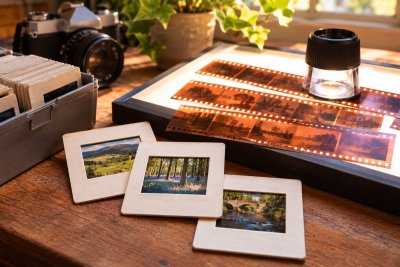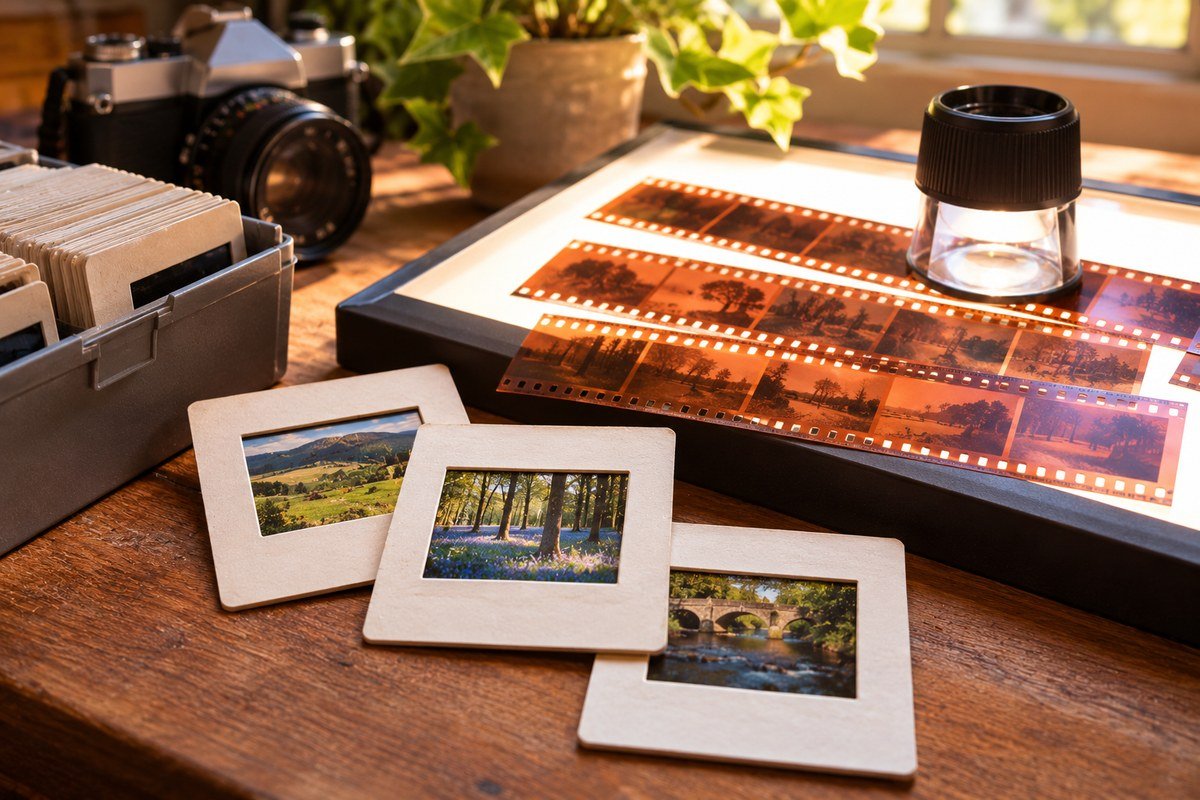
But it's the negatives that often interest me most.
Because sometimes they contain pictures that nobody has seen for decades.
Remember Waiting for Your Photographs?
Before digital cameras, taking photographs required a little more patience.
You bought a roll of film, loaded it into your camera and hoped for the best.
Once you'd finished the roll, you took it to a photographic shop and waited for your pictures to be developed.
And there was always that moment of disappointment when you discovered that half the photographs were blurred, somebody had their eyes closed or you'd accidentally photographed your own thumb.
But tucked inside the envelope were the original negatives.
Why Negatives Are Worth Keeping
A photographic negative contains the image information captured on the original film.
The prints you received were produced from those negatives.
And depending on the quality of the original processing and printing, a modern scan may reveal details that weren't particularly obvious in the old prints.
That's one reason I always encourage people not to throw negatives away.
Even when the original photographs have disappeared, the negatives may still survive.
Scanning Negatives Is Different
Unlike a printed photograph, a negative needs to be illuminated from behind and scanned using suitable equipment.
Colour negatives also require careful processing to turn their reversed colours into a normal-looking photograph.
Then there are questions of exposure, colour balance and resolution.
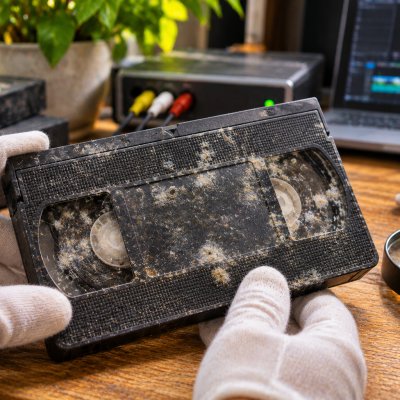
Some negatives have developed colour shifts over the years, while others may have scratches, dust or other imperfections.
It's all part of the challenge.
The Mystery Photographs
One of the things I particularly enjoy about scanning old media is the possibility of discovering something unexpected.
Imagine finding photographs of a family holiday that nobody remembers, an old family home or relatives who have long since passed away.
And sometimes the most interesting pictures aren't the carefully posed ones.
They're the everyday moments captured almost by accident.
The garden, the family car, the street outside or somebody laughing when they didn't realise the camera was pointing at them.
These are the details that help bring family history to life.
Don't Forget to Identify the People
Here's something I'd strongly recommend.
If you have older relatives who can identify the people and places in your family photographs, ask them now.
Write down the names, approximate dates and locations.
Because once that information is lost, even the clearest photograph can become a mystery.
Before You Throw Away Those Negatives
If you've found old strips of negatives in a drawer or cupboard, don't assume they're no longer useful.
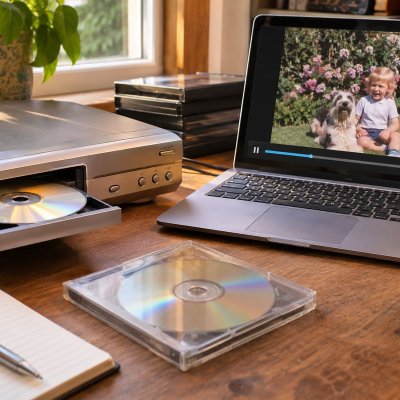
At Forest of Dean Scanning Services, I can convert photographic negatives into digital images that can be viewed, shared and preserved.
And who knows?
That little envelope might contain a photograph you've never seen before.
Sometimes the most interesting family memories are the ones we've forgotten we had.