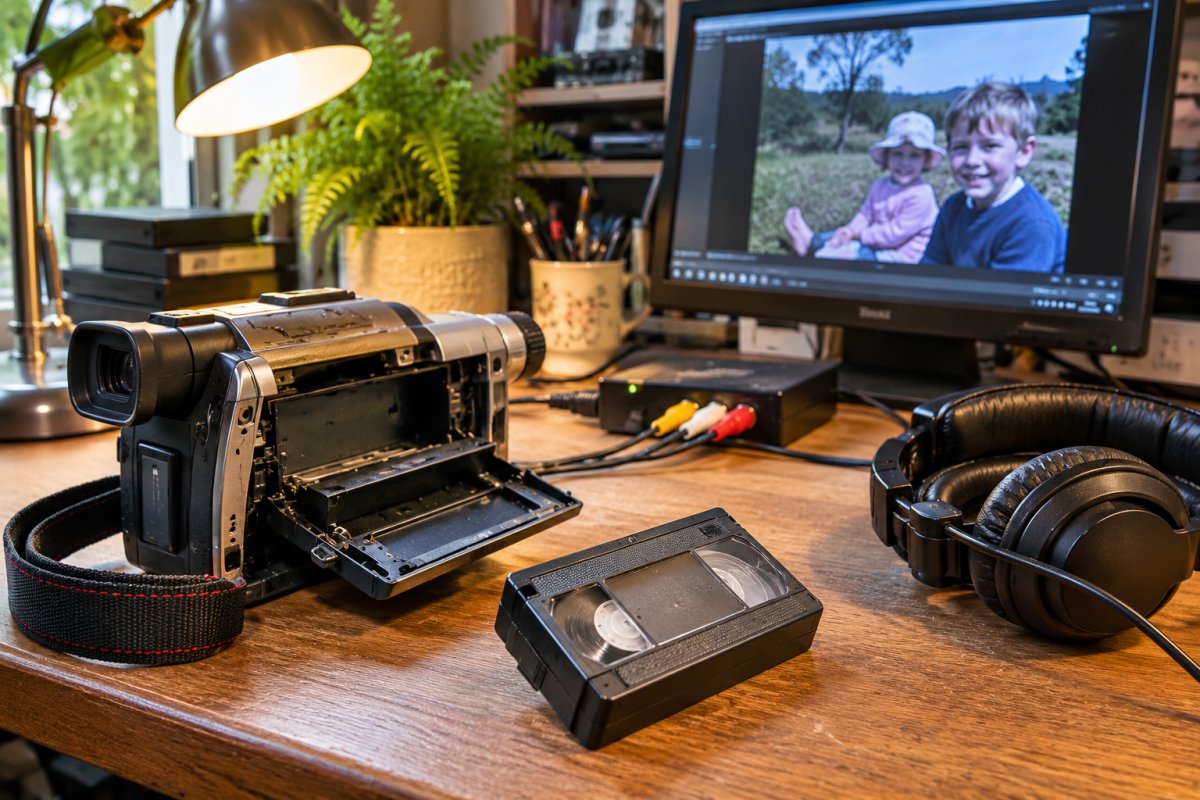
Was It the Tape or the Machine?
My first thought was that the recording itself might be deteriorating.
After all, these tapes can be decades old, and magnetic recordings don't last forever.
But before blaming the tape, I decided to investigate.
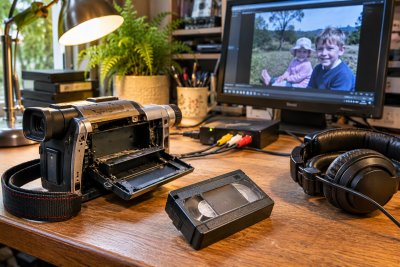
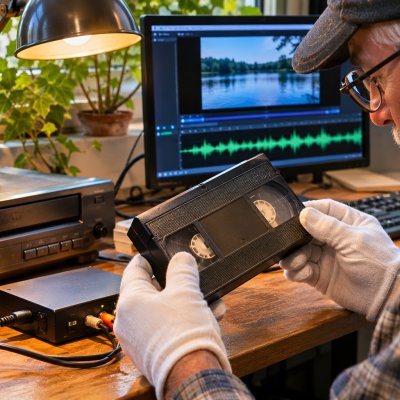
I tried a different video recorder, and the troublesome recording transferred without any problems.
Excellent, I thought. Problem solved.
Well, not quite.
Back to Square One
When I started transferring another batch of VHS-C tapes, the sound problem returned.
The picture was perfectly acceptable, but the audio wasn't behaving itself.
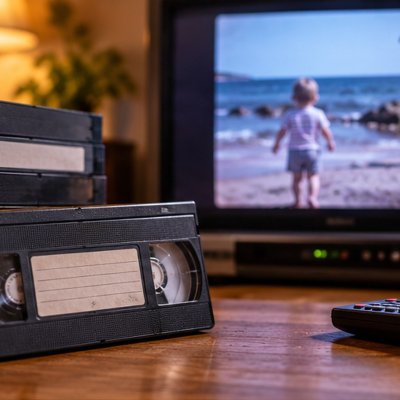
So I tried playing a standard VHS cassette.
Perfect sound.
I checked the tracking, which was set to automatic, and began considering whether the issue might be related to the way certain VHS-C recordings were made.
Some VHS recordings use different audio recording methods, and older machines don't always handle every tape in quite the same way.
At this stage, I hadn't established the exact cause, but at least I knew the problem wasn't affecting every recording.
Why Experience Matters
One of the things I've learnt from digitising old media is that there isn't always a simple answer.
Sometimes the tape is at fault. Sometimes it's the playback equipment. And occasionally, it's a combination of things.
The important thing is not to give up at the first sign of trouble.
I prefer to investigate, compare results and work through the possibilities rather than immediately tell someone their recording is beyond saving.
Your Memories Deserve a Little Patience
Those old camcorder tapes might contain weddings, birthdays, holidays or recordings of people who are no longer with us.
A troublesome soundtrack might be frustrating for me, but the memories on the tape could be priceless to somebody else.
That's why I enjoy this work, even when the technology decides to test my patience.
If you have old VHS-C or VHS recordings you'd like converted, get in touch with Forest of Dean Scanning Services. I'll be happy to discuss what's possible.